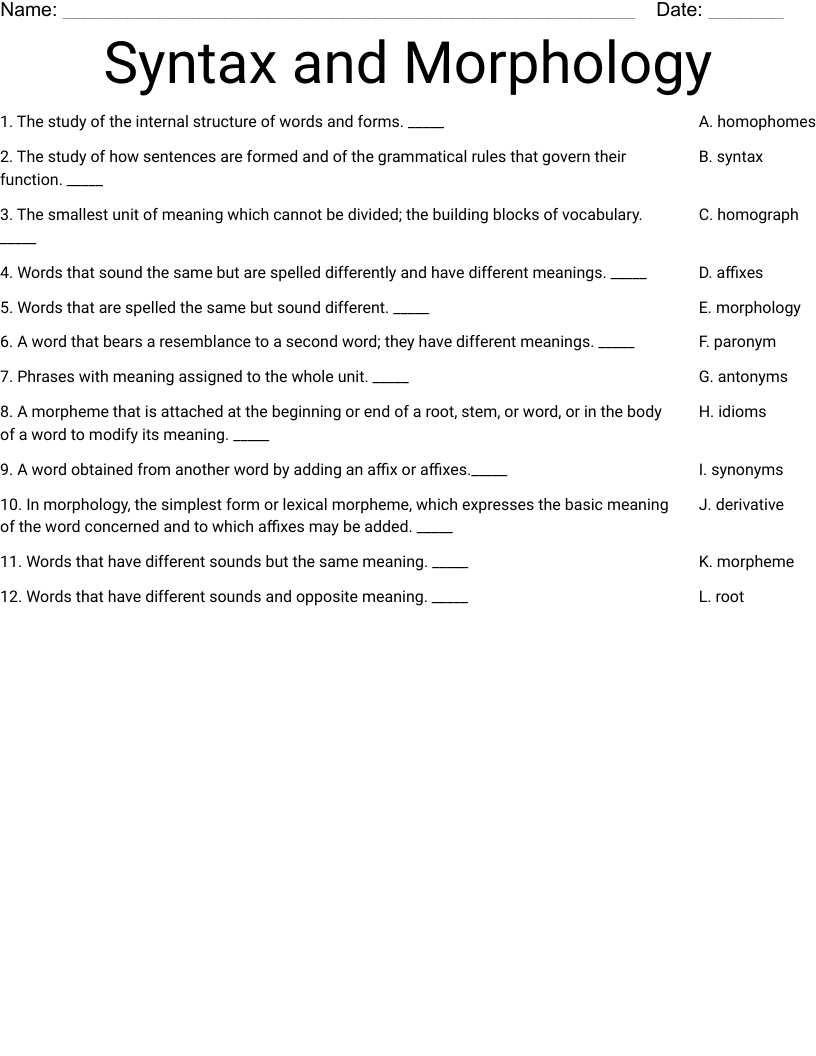
Language is a fascinating and intricate system that allows us to communicate effectively. Among the many elements of language, homonyms and paronyms stand out due to their unique characteristics. Homonyms are words that sound alike but have different meanings, while paronyms are words that are similar in sound and spelling but differ in meaning. Understanding these concepts can enhance vocabulary and improve language skills, making them essential for both learners and seasoned speakers alike.
Crossword puzzles are an engaging way to explore the nuances of language, particularly homonyms and paronyms. They challenge players to think critically about word meanings and relationships, providing an enjoyable method for expanding one’s linguistic knowledge. By solving these puzzles, individuals can sharpen their cognitive abilities while having fun with words. This article will delve into the world of homonyms and paronyms through a crossword puzzle format, highlighting their significance in language learning.
 homonyms and paronyms crossword puzzle
Homonyms and Paronyms Crossword Puzzle
To create an effective crossword puzzle featuring homonyms and paronyms, it is essential to select words that exemplify these concepts clearly. For instance, consider the homonym pair “bare” (to uncover) and “bear” (the animal). These words sound identical but convey entirely different meanings. Including such pairs in a crossword puzzle can help solvers recognize the importance of context in understanding language.
Paronyms also play a crucial role in this puzzle format. Words like “affect” (to influence) and “effect” (a result) are commonly confused due to their similar sounds and spellings. By incorporating these types of words into a crossword, players can learn to differentiate between them effectively. This not only enhances vocabulary but also aids in improving writing skills by reducing common errors.
When designing the crossword puzzle, it is beneficial to include clues that prompt solvers to think about the meanings of the words rather than just their spellings. For example, a clue for “flour” (the baking ingredient) could be “used for making bread,” while its homonym “flower” could be clued as “a blooming plant.” Such clues encourage critical thinking and reinforce the understanding of homonyms and paronyms.
In conclusion, exploring homonyms and paronyms through crossword puzzles offers a fun and educational experience. These linguistic elements not only enrich vocabulary but also enhance comprehension skills. By engaging with language in this interactive way, learners can develop a deeper appreciation for the complexities of communication. So grab a pencil, dive into a crossword puzzle, and enjoy the journey through the world of words!
Save and Print homonyms and paronyms crossword puzzle
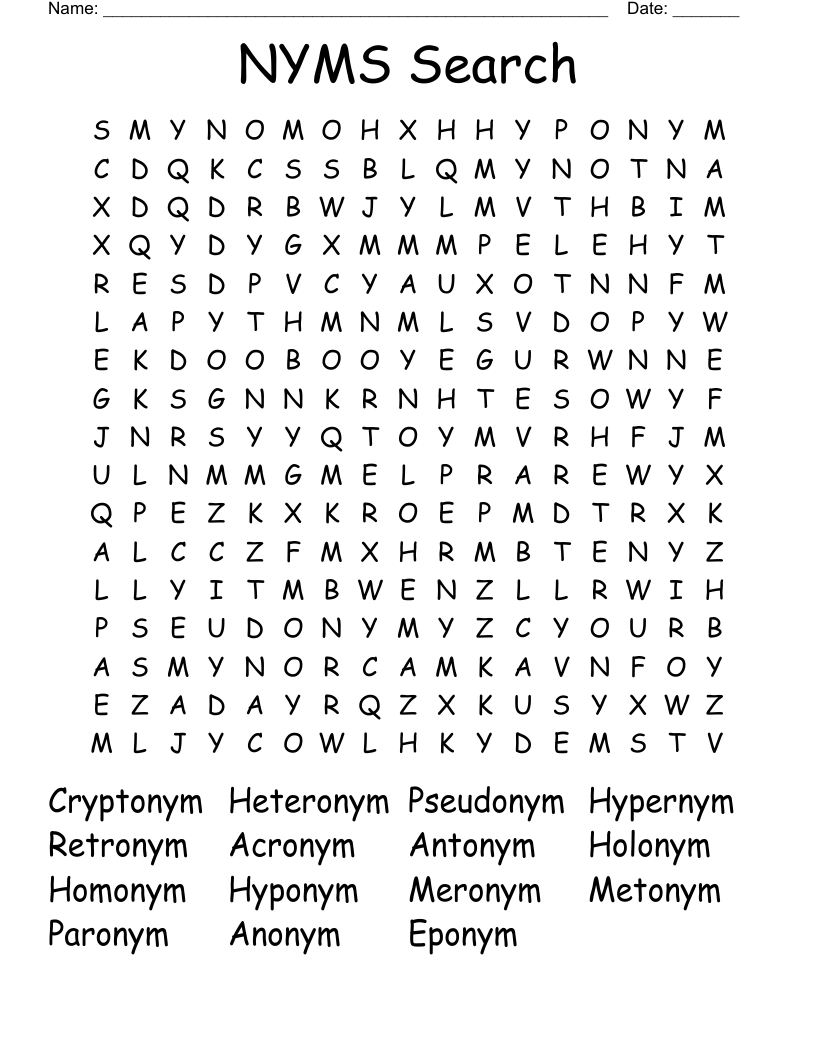
 NYMS Search Word Search WordMint
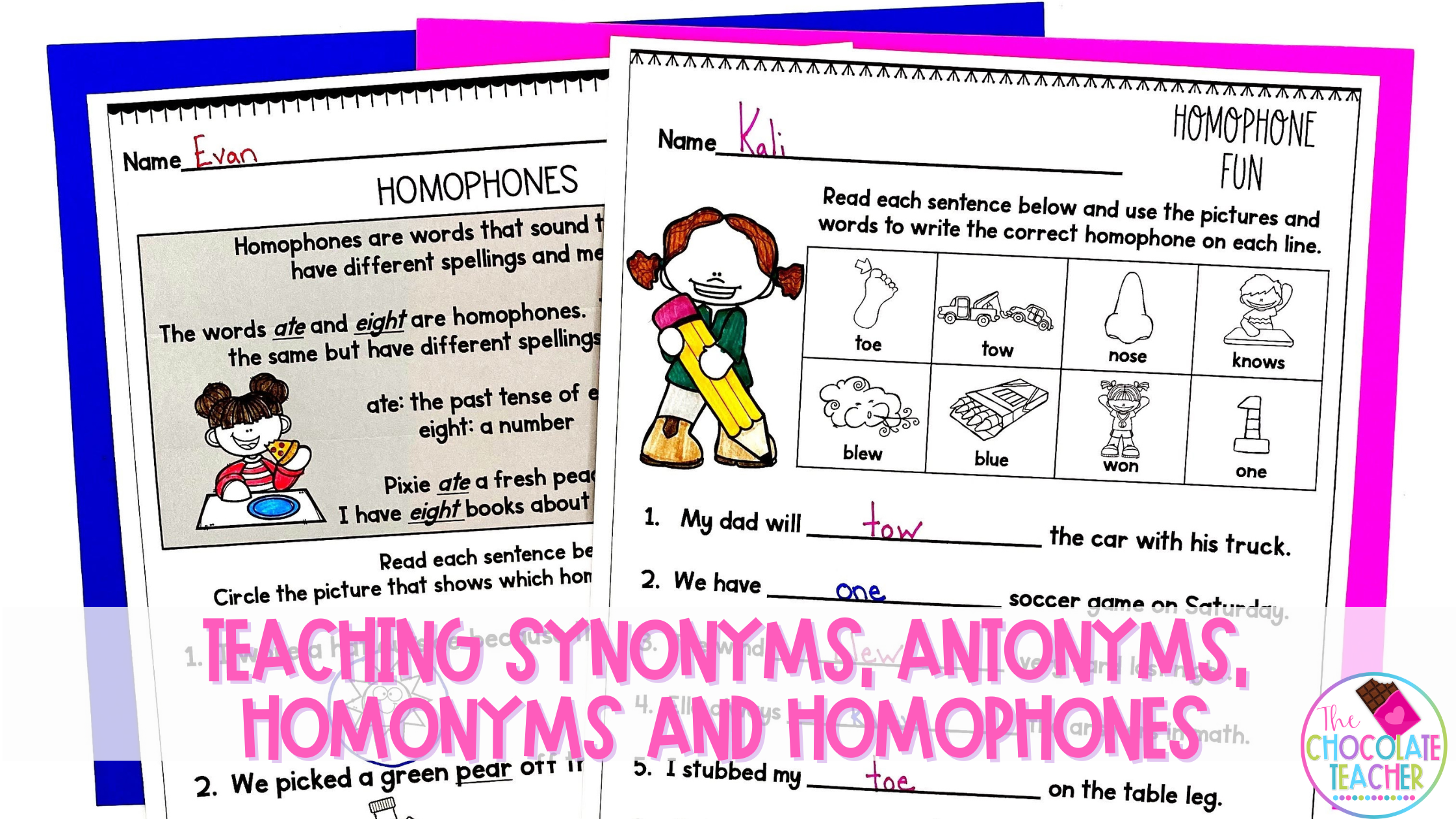 Teaching Synonyms Antonyms Homonyms And Homophones
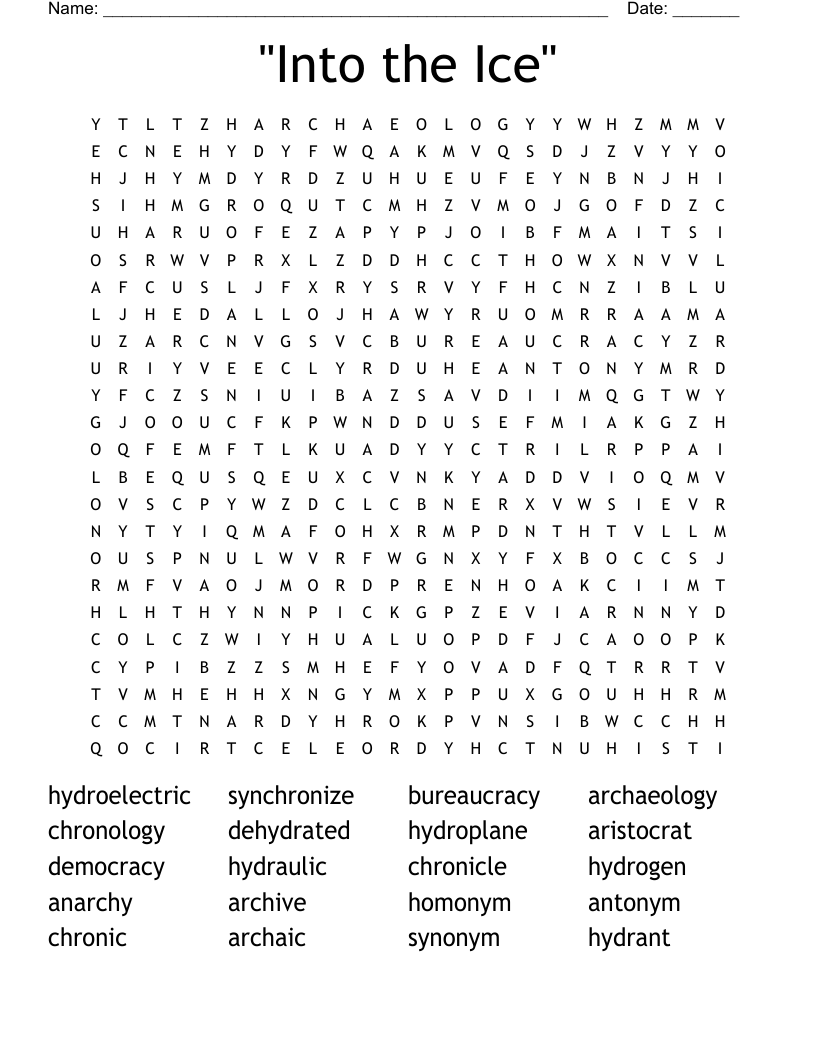 Vocab Ono Nym Onym Word Search WordMint
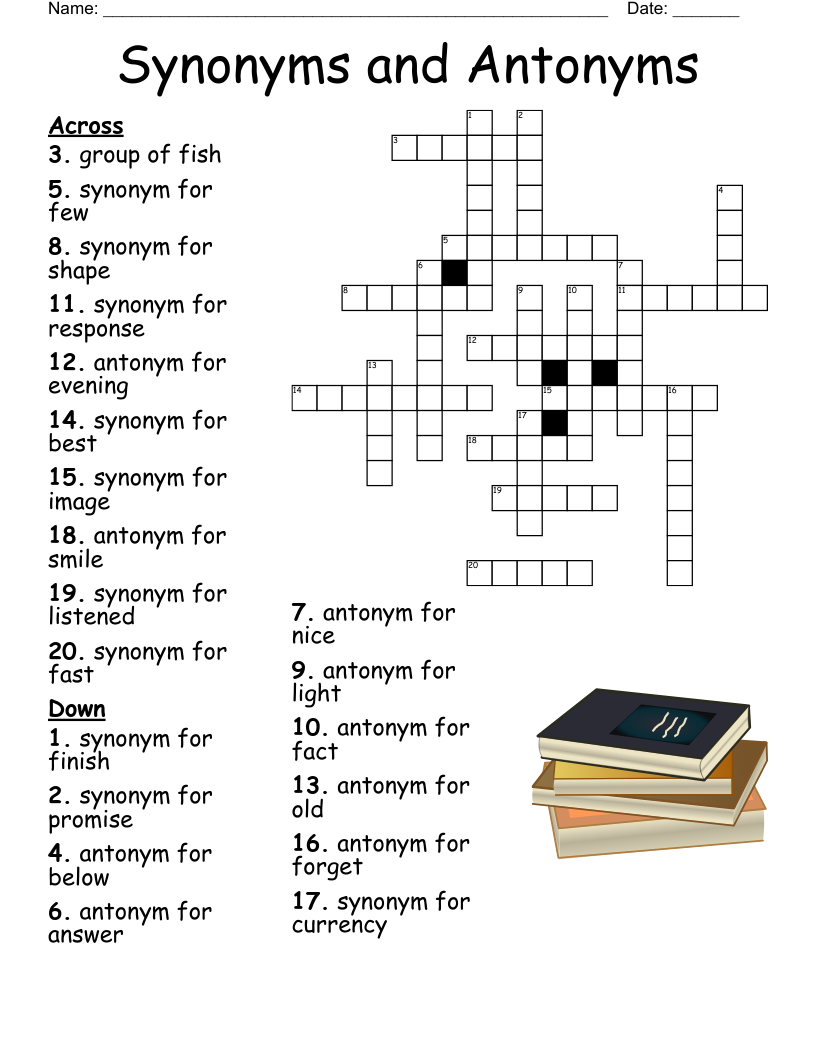 Vocab Ono Nym Onym Word Search WordMint